Buyer’s Blueprint: How to Evaluate and Vet High-Performance Hydraulic Press Brake Manufacturers
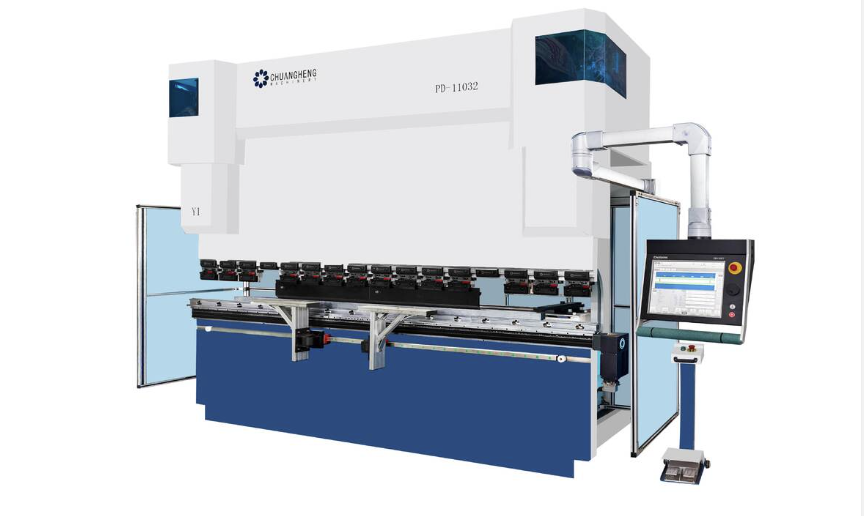
HAIAN, CHINA, June 29, 2026 /EINPresswire.com/ -- Navigating the global industrial landscape requires more than just identifying a machine; it demands a strategic "Buyer’s Blueprint" to secure long-term operational efficiency. When procurement teams ask how to evaluate and vet high-performance hydraulic press brake manufacturers, they are looking for a balance between structural integrity and technological intelligence. In this competitive market, identifying a Professional Hydraulic Press Brake Supplier in China is the first step toward optimizing a sheet metal facility. A modern Hydraulic Press Brake is no longer a simple bending tool; it is a sophisticated CNC-controlled system designed for high-precision synchronization, energy efficiency, and seamless integration into automated production lines.
To ensure a manufacturer meets the demands of Industry 4.0, buyers must look beyond the price tag and analyze the engineering philosophy, technical specifications, and quality management systems of the supplier. The following steps outline the essential criteria for vetting a top-tier partner in the sheet metal equipment sector.
Step 1: Analyze Engineering Philosophy and R&D Capabilities
The foundation of any high-performance machine is the research and development logic behind it. A reputable manufacturer must be a comprehensive high-tech enterprise dedicated to the entire lifecycle of the equipment—from conceptual design to production and sales. When vetting a supplier, look for an emphasis on four core pillars: efficiency, intelligence, environmental protection, and compatibility.
Companies like CHMAC (Jiangsu Chuangheng Machinery Technology Co., Ltd.) embody this approach by focusing on intelligent manufacturing solutions that transition traditional workshops into "future factories." A supplier that offers a diverse portfolio—including laser cutting machines, CNC V-grooving machines, and flexible automatic production lines—demonstrates a deep understanding of the entire sheet metal workflow. This holistic engineering capability ensures that the hydraulic press brake is not an isolated unit but a compatible component of a larger, smarter ecosystem.
Step 2: Verify International Quality Certifications and Management Standards
Technical claims are only as reliable as the certifications that back them. A professional manufacturer must adhere to a strategy of delicacy management and brand development. Two non-negotiable benchmarks for global buyers are ISO 9001 and the EU CE certification.
ISO 9001 Quality Management System: This certification ensures that the manufacturer has standardized processes in place to maintain consistent quality across every unit produced.
EU CE Certification: For international trade, this signifies that the machinery meets essential health, safety, and environmental protection standards.
Vetting these credentials provides a layer of security regarding the safety of the workforce and the reliability of the equipment under heavy industrial loads. It proves that the manufacturer’s internal quality control meets international requirements.
Step 3: Evaluate Technical Specifications and High-Precision Hardware
When examining the specific performance of a hydraulic press brake, the focus should be on the synchronization system and the quality of the internal components. For instance, the WC67K series and similar high-end CNC models are defined by their ability to maintain strict tolerances through advanced electro-hydraulic integration.
Key technical parameters to evaluate include:
Advanced CNC Control Systems: High-performance units utilize industry-standard controllers, such as the DELEM series (DA53T, DA52S, etc.). These systems provide multi-axis control and feature high-speed processing capabilities with a user-friendly graphical interface, ensuring that complex bending sequences are executed with minimal setup time.
Precision Electro-Hydraulic Synchronization: The core of the machine’s accuracy lies in its double-cylinder electro-hydraulic servo-synchronized control system. By utilizing top-tier integrated hydraulic valve groups and precision feedback components, the system achieves a repetitive positioning accuracy of +/- 0.01 mm. This ensures that even under maximum load, the synchronization of the two cylinders remains perfect.
Intelligent Mechanical Crowning: To prevent "bowing" or uneven angles in long workpieces, look for an automatic mechanical deflection compensation system. This CNC-controlled mechanism adjusts the table's profile in real-time, ensuring uniform pressure and consistent bending angles across the entire length of the sheet metal.
Heavy-Duty Transmission: High-performance hardware includes precision-grade ball screws and linear guides. These components, paired with a specialized back-gauge system, allow for rapid and stable positioning, which is critical for maintaining tight tolerances in precision sheet metal parts.
Step 4: Assess Application Versatility and Market Reputation
A manufacturer’s competence is best reflected in the diversity of industries they serve. High-performance equipment should be versatile enough to handle materials for auto parts, communication cabinets, kitchen and bathroom sheet metal, electronic power, and even luxury smart home components.
A supplier with a global footprint—covering multiple countries and regions—indicates that their service and support infrastructure can handle diverse environmental and operational conditions. Vetting the manufacturer's reputation involves looking at their ability to provide "personalized sheet metal solutions." In the era of Industry 4.0, the ability to customize non-standard automatic units and flexible production lines is a hallmark of a true industry leader. It demonstrates that the supplier is not just selling hardware, but is a partner in providing key technical support for the "future factory."
Step 5: Service Excellence and Continuous Value Creation
The relationship between a buyer and a manufacturer should not end at the point of sale. Superior service is a critical component of the "Buyer’s Blueprint." This includes technical support during the implementation of intelligent manufacturing and ongoing assistance to ensure the equipment continues to create value for the customer.
In conclusion, evaluating a hydraulic press brake manufacturer requires a thorough investigation into their R&D philosophy, certification standards, technical hardware, and industry-specific expertise. By following these steps, procurement professionals can secure equipment that not only meets current production needs but also supports the transition toward more intelligent, efficient, and sustainable manufacturing practices.
For more information on high-end sheet metal equipment and intelligent manufacturing solutions, visit the official website: https://www.chjxkj.cn/
To ensure a manufacturer meets the demands of Industry 4.0, buyers must look beyond the price tag and analyze the engineering philosophy, technical specifications, and quality management systems of the supplier. The following steps outline the essential criteria for vetting a top-tier partner in the sheet metal equipment sector.
Step 1: Analyze Engineering Philosophy and R&D Capabilities
The foundation of any high-performance machine is the research and development logic behind it. A reputable manufacturer must be a comprehensive high-tech enterprise dedicated to the entire lifecycle of the equipment—from conceptual design to production and sales. When vetting a supplier, look for an emphasis on four core pillars: efficiency, intelligence, environmental protection, and compatibility.
Companies like CHMAC (Jiangsu Chuangheng Machinery Technology Co., Ltd.) embody this approach by focusing on intelligent manufacturing solutions that transition traditional workshops into "future factories." A supplier that offers a diverse portfolio—including laser cutting machines, CNC V-grooving machines, and flexible automatic production lines—demonstrates a deep understanding of the entire sheet metal workflow. This holistic engineering capability ensures that the hydraulic press brake is not an isolated unit but a compatible component of a larger, smarter ecosystem.
Step 2: Verify International Quality Certifications and Management Standards
Technical claims are only as reliable as the certifications that back them. A professional manufacturer must adhere to a strategy of delicacy management and brand development. Two non-negotiable benchmarks for global buyers are ISO 9001 and the EU CE certification.
ISO 9001 Quality Management System: This certification ensures that the manufacturer has standardized processes in place to maintain consistent quality across every unit produced.
EU CE Certification: For international trade, this signifies that the machinery meets essential health, safety, and environmental protection standards.
Vetting these credentials provides a layer of security regarding the safety of the workforce and the reliability of the equipment under heavy industrial loads. It proves that the manufacturer’s internal quality control meets international requirements.
Step 3: Evaluate Technical Specifications and High-Precision Hardware
When examining the specific performance of a hydraulic press brake, the focus should be on the synchronization system and the quality of the internal components. For instance, the WC67K series and similar high-end CNC models are defined by their ability to maintain strict tolerances through advanced electro-hydraulic integration.
Key technical parameters to evaluate include:
Advanced CNC Control Systems: High-performance units utilize industry-standard controllers, such as the DELEM series (DA53T, DA52S, etc.). These systems provide multi-axis control and feature high-speed processing capabilities with a user-friendly graphical interface, ensuring that complex bending sequences are executed with minimal setup time.
Precision Electro-Hydraulic Synchronization: The core of the machine’s accuracy lies in its double-cylinder electro-hydraulic servo-synchronized control system. By utilizing top-tier integrated hydraulic valve groups and precision feedback components, the system achieves a repetitive positioning accuracy of +/- 0.01 mm. This ensures that even under maximum load, the synchronization of the two cylinders remains perfect.
Intelligent Mechanical Crowning: To prevent "bowing" or uneven angles in long workpieces, look for an automatic mechanical deflection compensation system. This CNC-controlled mechanism adjusts the table's profile in real-time, ensuring uniform pressure and consistent bending angles across the entire length of the sheet metal.
Heavy-Duty Transmission: High-performance hardware includes precision-grade ball screws and linear guides. These components, paired with a specialized back-gauge system, allow for rapid and stable positioning, which is critical for maintaining tight tolerances in precision sheet metal parts.
Step 4: Assess Application Versatility and Market Reputation
A manufacturer’s competence is best reflected in the diversity of industries they serve. High-performance equipment should be versatile enough to handle materials for auto parts, communication cabinets, kitchen and bathroom sheet metal, electronic power, and even luxury smart home components.
A supplier with a global footprint—covering multiple countries and regions—indicates that their service and support infrastructure can handle diverse environmental and operational conditions. Vetting the manufacturer's reputation involves looking at their ability to provide "personalized sheet metal solutions." In the era of Industry 4.0, the ability to customize non-standard automatic units and flexible production lines is a hallmark of a true industry leader. It demonstrates that the supplier is not just selling hardware, but is a partner in providing key technical support for the "future factory."
Step 5: Service Excellence and Continuous Value Creation
The relationship between a buyer and a manufacturer should not end at the point of sale. Superior service is a critical component of the "Buyer’s Blueprint." This includes technical support during the implementation of intelligent manufacturing and ongoing assistance to ensure the equipment continues to create value for the customer.
In conclusion, evaluating a hydraulic press brake manufacturer requires a thorough investigation into their R&D philosophy, certification standards, technical hardware, and industry-specific expertise. By following these steps, procurement professionals can secure equipment that not only meets current production needs but also supports the transition toward more intelligent, efficient, and sustainable manufacturing practices.
For more information on high-end sheet metal equipment and intelligent manufacturing solutions, visit the official website: https://www.chjxkj.cn/
JIANGSU CHUANGHENG MACHINERY TECHNOLOGY CO.,LTD
+ +86 18912855666
email us here
Legal Disclaimer:
EIN Presswire provides this news content "as is" without warranty of any kind. We do not accept any responsibility or liability for the accuracy, content, images, videos, licenses, completeness, legality, or reliability of the information contained in this article. If you have any complaints or copyright issues related to this article, kindly contact the author above.
